Triathlon for Adventure Athletes: Cross-Training for Mountains
Triathlon training leaves gaps for mountain athletes - but the right mix complements mountain sports perfectly.
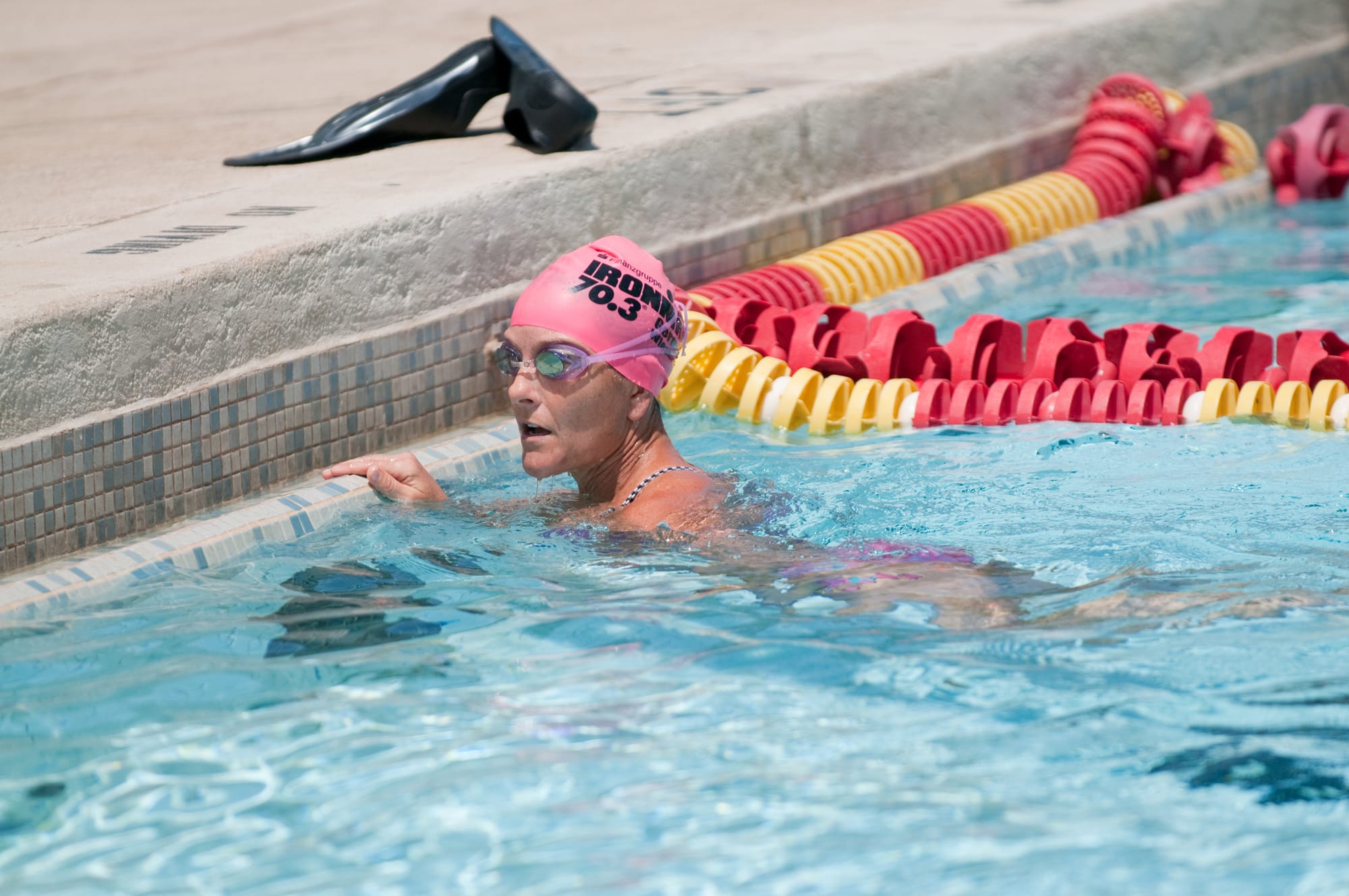
Triathletes are some of the fittest athletes alive, but their specific fitness doesn't transfer well to mountain sports. The cardio base is excellent, but the muscle groups, joint patterns, and mental requirements are different enough that pure triathlon training leaves gaps. Mountain athletes who cross-train with triathlon training find themselves stronger at altitude, more durable on long days, and better recovered between hard training sessions.
I came to triathlon from mountain running. The return - using triathlon training to improve mountain performance - is where I've spent the last three years. The approach works for adventure athletes who want year-round training and don't want to be single-sport specialists.
What Triathlon Adds to Mountain Training
Swimming: core and upper body strength that hiking/running neglect. Improved breathing capacity. Low-impact day when mountain legs are trashed.
Cycling: leg endurance without running's impact. Cardiovascular development without the joint stress of mountain running. Great for recovery days.
Running: base cardio that's critical for any endurance sport. Speed work that translates to trail running at intensity.
Transitions and racing skill: race-day mental toughness, pacing across disciplines, managing nutrition under varied effort. Skills that mountain athletes often lack.
What triathlon training fixes for mountain athletes
- Weak upper body (common in runners/hikers)
- Cardio peak limitations (swimming raises VO2 max)
- Overuse injuries from single-discipline training
- Poor recovery strategies
- Weak racing mental toughness
The Off-Season Triathlon Program
For mountain athletes, triathlon works best as off-season (winter/early spring) training. Your mountain-specific fitness builds in summer; your base and cross-training happen in winter.
Typical off-season structure (October-March for Northern Hemisphere):
- Monday: Swim + short run
- Tuesday: Long bike + strength
- Wednesday: Rest or easy run
- Thursday: Swim + bike intervals
- Friday: Long run
- Saturday: Long bike or brick workout
- Sunday: Rest
Weekly hours: 8-12 hours during off-season. This maintains cardio fitness while giving your mountain-specific muscles recovery from summer's demands.
Swimming for Mountain Athletes
Swimming has become essential cross-training for mountain athletes. The cardio demand is high. The impact is zero. The upper body strength transfers directly to technical climbing and hiking with a pack.
Start point: learn proper freestyle technique. Most mountain athletes have never swum seriously. A few lessons ($50-100 per lesson) accelerates progress dramatically.
Initial goal: swim 1,000m continuously without stopping. This takes 3-4 weeks for most new swimmers. Focus on technique, not speed.
Progression: build to 2,000-3,000m per swim session over 2-3 months. 2-3 swims per week.
For mountain applications: you don't need to race swim. You just need to be competent enough to use swimming as cross-training. A 1,500m swim in 30 minutes is a respectable baseline.
Starter swim workouts
- Week 1-4: 1000-1500m, focus technique
- Week 5-8: 1500-2000m, add pace variations
- Week 9-12: 2000-2500m, add longer intervals
- Beyond: 2500-3500m with race-pace intervals
Cycling for Mountain Athletes
Cycling is the best cardio builder for mountain athletes. The adaptation is similar to running (cardiovascular capacity, mitochondrial density) but without the impact.
Road cycling: efficient for cardio volume. 2-4 hour rides at moderate pace build base fitness that transfers to any mountain sport.
Gravel cycling: varied terrain, more skill requirements, better match to mountain sensibility. Several mountain athletes prefer gravel over road.
Mountain biking: specific to mountain terrain. Great cross-training for trail running (similar terrain) and SUP (similar balance demands).
Indoor trainer: essential for winter training. Zwift or TrainerRoad programs. 60-90 minute sessions maintain cycling fitness when outdoor riding is impossible.
Running That Translates
For mountain athletes, running should be the most familiar discipline. But triathlon running is different than trail running.
Triathlon running emphasizes: steady pace over long distance, aerobic efficiency, fueling during run. Triathlons are mostly run on roads and smooth paths.
Trail running emphasizes: variable pace, technical skill, power hiking, altitude tolerance.
Both are valuable. For mountain athletes, triathlon running improves aerobic capacity and steady pacing. Trail running adds technical skills.
During triathlon-focused training: include some road running at steady pace (Zone 2). Don't run only trails. Don't run only fast. The variety builds better overall fitness.
Brick Workouts
Brick workouts combine two disciplines back-to-back. The classic: bike + run. The bike fatigues your legs, then you run on tired legs.
For triathlon training: essential. Your race requires running off the bike.
For mountain athletes: valuable but optional. Teaches your body to perform under accumulated fatigue. Mimics mountain days where you hike in, climb, then hike out.
Sample brick: 60 min bike + 30 min run. Start slow on the run (feet need to transition). Build pace over 5-10 minutes. Finish at race pace.
Recovery and Adaptation
Triathlon training's dirty secret: it can destroy you if you overtrain. Three disciplines with cumulative volume leads to burnout and injury.
Recovery strategies:
- 1-2 full rest days per week
- Sleep 8+ hours per night
- Protein 1.5-2g per kg body weight per day
- Hydration consistent throughout day
- Active recovery (easy swim, walking) instead of stagnation
Red flags: elevated resting heart rate (watch for 5+ beat increase), poor sleep quality, declining performance despite training, emotional flatness or irritability. These signal overtraining - reduce volume for a week.
Race Strategy for Triathletes
Sprint triathlon (750m swim / 20km bike / 5km run): 1-2 hour race. Manageable for most fit mountain athletes.
Olympic distance (1,500m swim / 40km bike / 10km run): 2-3 hour race. Requires more specific training.
Half Ironman (1.9km swim / 90km bike / 21.1km run): 5-7 hour race. Serious commitment.
Ironman (3.8km swim / 180km bike / 42.2km run): 10-16 hour race. Full commitment.
For mountain athletes: sprint or Olympic distance races fit well as cross-training goals. Half Ironman and Ironman require dedicated triathlon focus that prevents mountain-specific training.
Equipment and Costs
Starter triathlon kit: swim goggles ($30), swimsuit ($50), bike ($1,500 entry road bike, $3,000 basic triathlon bike), running shoes ($150). Total: $1,700-3,200.
Plus race entry fees: $100-400 per race depending on distance and location.
Plus optional additions: bike power meter, heart rate monitor, triathlon watch. Can add $300-800.
Budget: triathlon is more expensive than pure mountain sports. Plan accordingly.
Combining Mountain and Triathlon Seasons
Sample annual structure for mountain athlete:
- January-March: Triathlon base training (off-season)
- April-May: Transition to mountain (trail running, early alpine)
- June-September: Mountain peak season (climbing, alpine running)
- October-December: Return to triathlon base + recovery
This structure gives you 5 months of mountain peak and 7 months of triathlon. During triathlon months, you maintain mountain skills with shorter sessions but don't peak for major objectives.
The goal: arrive at summer mountain season with excellent cardio base, zero injuries, strong upper body. Triathlon gets you there without the overuse that pure running training creates.
Cross-training isn't a replacement for mountain-specific training. It's a complement. Mountain athletes who adopt triathlon training become more durable, more adaptable, and often faster in their mountain pursuits. Those who overcommit to triathlon discover they've lost their mountain edge. Balance matters.