Running the Tor des Géants: 330km Across Mountain Alps
Tor des Géants is 330km through the Italian Alps with 24,000m of climbing. Here's what finishing takes.
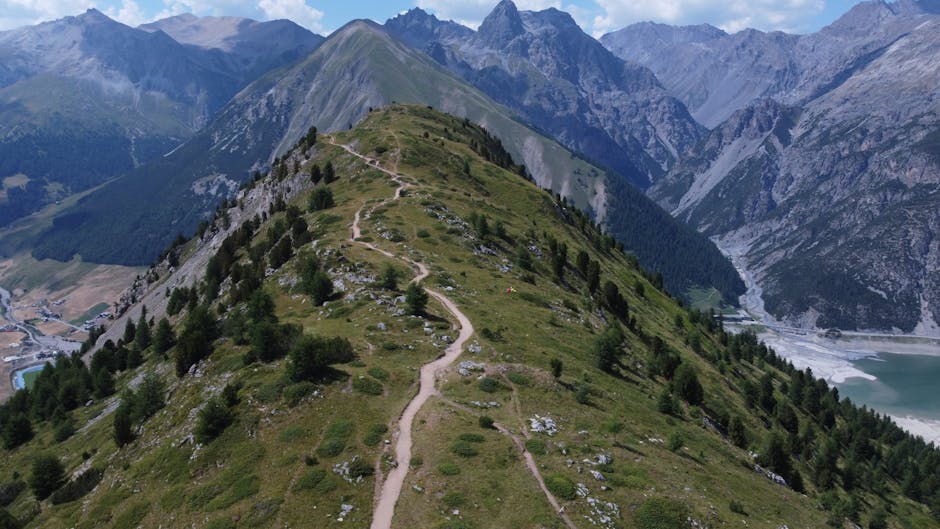
The Tor des Géants is 330km through the Italian Aosta Valley, climbing 24,000m cumulatively across seven mountain passes. The race runs in September. Cutoff is 150 hours. Top finishers complete in 69-80 hours. Bottom finishers complete in 140-150 hours. Average finishers take 100-120 hours of continuous running and hiking.
I've completed one Tor des Géants. It's the hardest race I've ever done. Not just physically - mentally, the depth of fatigue and the duration of suffering require preparation that isn't in most ultra training plans. Here's what the race actually involves and how to prepare.
What the Race Is
Single-stage mountain ultramarathon. 330km loop starting and ending at Courmayeur at the foot of Mont Blanc. Seven major passes cross 2,500-3,000m elevations.
Pace: top runners average 4-5 km/hour. Mid-pack runners 3.5 km/hour. Finishers 2.5-3 km/hour.
Rest: base camps every 30-40km offer beds. Runners typically sleep 1-4 hours per base camp. Total sleep over 100+ hours of race: 6-12 hours.
Required kit: 15-20kg of gear including sleeping bag, puffy jacket, food, water. Weight matters but survival gear is mandatory.
Key Tor des Géants statistics
- 330 km distance
- 24,000m cumulative elevation gain
- 7 passes over 2,700m
- 150-hour time limit
- Typical finish: 100-120 hours
- Elite finish: 70-80 hours
- DNF rate: 30-40%
Physical Demands
The cumulative effort of 100 hours of running and hiking with cumulative fatigue. Your body breaks down in predictable ways:
- Hour 20-30: legs begin to fatigue
- Hour 40-60: sustained heavy fatigue
- Hour 70-90: questioning why you're racing
- Hour 100+: deep fatigue, hallucinations possible
Foot problems: blisters, nerve compression, bruising from repetitive impact. By hour 80, many runners have significant foot issues that slow them to a shuffle.
Stomach issues: running for 100+ hours with processed food and sleep deprivation causes digestive problems in most runners. Plan for this.
Mental fatigue: the longest sustained mental effort most people ever make. Hallucinations are common. Decision-making becomes impaired.
Training Structure
Minimum 12 months of preparation for the Tor des Géants. This isn't a 100-miler you can train for in 6 months with mountain running experience.
Year 1 (if you have 100-miler experience): base building and altitude adaptation.
Year 2 months 1-4: long volume training. 15-25 hours per week of running, hiking, and mountain time.
Year 2 months 5-8: race-specific training. Back-to-back long days (50-80km per day), multi-day stages, altitude training.
Year 2 months 9-10: final build. Peak volume. Recovery emphasis.
Year 2 months 11-12: taper. Reduce volume but maintain intensity.
Weekly volume progression
- Base: 15-20 hours/week
- Build: 20-25 hours/week
- Peak: 25-30 hours/week
- Taper: 10-15 hours/week (race month)
Altitude Training
Tor des Géants passes cross 2,500-3,000m. At this altitude, performance drops 10-15% per 1,000m gained. Acclimate before race to perform at altitude.
Options:
- Live and train at altitude (ideal for 2+ months pre-race)
- Altitude camps (1-2 week blocks)
- Altitude masks or tents (limited effectiveness)
- Pre-race altitude exposure (arrive 2 weeks early)
The Aosta Valley race itself offers altitude exposure during training. Arriving 10-14 days pre-race and running the course sections gives good altitude adaptation.
Race-Specific Equipment
Backpack: 20-25L. Salomon S/Lab Sense Pro Ultra, Ultimate Direction FastPack 20. Lightweight, with hip belt for long carries.
Shoes: trail running shoes for mountain terrain. Aggressive grip. Salomon S/Lab Ultra 3, La Sportiva Bushido III. Change shoes at base camps if needed (many bring 2 pairs).
Clothing: layering system. Hot midday temperatures (15-20°C) down to cold nights (0-5°C). Rain gear is mandatory.
Sleeping bag: ultra-light, rated to -5°C minimum. You'll sleep in refuges, not under stars, but warmth matters.
Poles: highly recommended. Black Diamond Carbon Z, Leki Cross Ultra. 2-pole system for climbs. Light enough to carry when not using.
Food: caloric density. 200-300 calories per hour. Bars, gels, dried fruit, nut mixes. Trail mix and cheese for higher caloric density. Total: 20,000-25,000 calories for the race.
Mandatory gear (check race rules)
- Survival blanket
- Whistle
- Headlamp + spare battery
- First aid kit
- Waterproof jacket
- Sleeping bag
- Warm jacket
- Mobile phone
Race Strategy
Pacing: extremely conservative. You're running for 100-150 hours, not 24 hours. Surges early in the race compound and destroy you by hour 60.
Effort: 65-70% of max HR on climbs. 60-65% on flats. Below aerobic threshold almost continuously. This preserves glycogen and delays fatigue.
Sleep: strategic. Most runners sleep 2-4 hours per base camp. Some go full-send (no sleep) but risk hallucinations and injury. 1-hour sleep reduces pace but enables another day of running.
Nutrition: every hour, 200-300 calories. Drink 300-500ml per hour. Don't skip meals in base camps - the aid stations provide hot food.
The Mental Game
Bad segments: will come. Every Tor runner has multiple low points. What matters is not quitting during them.
Mantras and segment thinking: break the race into segments. Don't think "I have 250km left." Think "I'm going to reach the next pass."
Hallucinations: at hour 80+, many runners see things that aren't there. Shadows become people. Rocks become animals. This is a normal consequence of extreme fatigue. Don't panic. Continue.
Partner or solo: some runners take pacers. Most don't. Having company during the hardest hours helps. But the race is ultimately solo - you finish when you finish.
Recovery Strategy
At base camps: sleep, eat, change clothes, reset. 1-3 hours at each major base camp. Not stretching breaks - actual recovery.
Between passes: eat, hydrate, mentally reset for the next climb. The Tor is won and lost at base camps, not on the passes.
Minor injuries: blister care, duct tape for chafing, tape for minor strains. You can't treat injuries that need rest - just manage them until the finish.
Major injuries: stop. Stress fractures, severe sprains, or medical issues end your race. Better to DNF at km 200 than to destroy yourself at km 300.
The Weather Variable
The Tor happens in early September. Alps weather is variable. Some years have ideal conditions. Some years have snowstorms on passes.
Preparation for all conditions: warm weather kit, cold weather kit, rain kit. All mandatory. You can't predict what you'll encounter.
Risk of high passes: in snow conditions, mountain passes become technical climbing. Experienced runners can navigate. New racers can panic.
Lessons from Finishing
Finishing the Tor des Géants teaches things nothing else can:
- The body can do more than the mind thinks
- Sleep is a tool, not a reward
- Consistent small actions beat heroic efforts
- Pain management is a skill
- Companionship matters in extreme duration
Most importantly: a finish is a finish. The runner who finishes in 140 hours has done the same race as the runner who finishes in 80 hours. The mountains don't care about finishing time. Only about finishing.
Should You Do It
Only if: you've finished multiple 100-milers, you have mountain experience, you can commit 12+ months to training, and you can accept 30-40% DNF probability even with ideal preparation.
The race will change you. You'll be a different athlete after. A different person. The Tor des Géants is not just a race - it's a rite of passage in the mountain ultrarunning community. Earn it.