Gear Maintenance: Keeping Technical Equipment Trail-Ready
Gear only works if you maintain it. Here's the specific protocol for mountain gear that actually lasts.
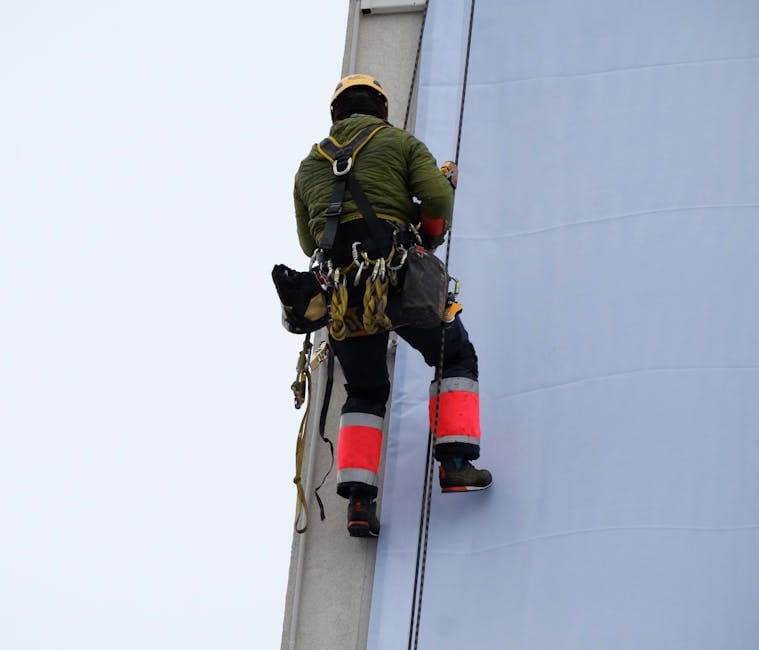
The gear you carry into the mountains only works if you maintain it. This is obvious and ignored. I've watched climbers set off on serious routes with ropes that looked frayed at the ends. I've seen skiers ride lifts with scraped bases that were going to grab their edges all day. The difference between "my gear is old" and "my gear works" is maintenance, and most of us are bad at it.
This is the article I wish someone had given me five years ago. The specific steps, the specific frequencies, the specific materials. Not a general "take care of your gear" piece. An actual checklist of what to do and when.
The Post-Trip Protocol
Every trip, without exception, ends with the same protocol. It takes 15-45 minutes depending on gear and conditions. I do it before I eat. If I eat first, I'll convince myself I'll do it in the morning, and I won't.
- Empty packs completely. Everything comes out on the floor.
- Hang wet items to dry (ropes, clothes, tent)
- Rinse salt or dirt off synthetic surfaces
- Inspect critical items for damage
- Note anything that needs replacement
Most of my gear is stored in a single closet. I can do a post-trip check in under 30 minutes. If your gear is scattered, build a single storage location. It pays for itself in gear longevity.
Rope Care
Climbing ropes are expensive and safety-critical. A $200 rope treated well lasts 3-5 years. The same rope abused lasts 1 season.
After every session:
- Let dry fully if wet (24-48 hours)
- Check for fuzzy spots (indicates wear)
- Check for cuts or core shots (retire immediately)
- Flake and coil properly
Wash rope every 20-30 climbing days. Rope cleaner ($15) works well. Run it through a mesh bag in a washing machine with cold water, no detergent. Hang dry in shade.
UV exposure is the enemy. Don't store ropes outdoors or in direct sunlight. A rope bag in a closet extends rope life significantly.
Replace ropes:
- After any serious fall that stressed the rope heavily
- When core shots or visible damage appear
- Every 3-5 years of regular use regardless of visible condition
Ice Tool and Crampon Maintenance
Ice tools and crampons get neglected often. The points dull, the shafts get corroded, and the attachments loosen. A dull pick is dangerous; it can glance off ice instead of biting in.
After each ice day:
- Dry all metal components
- Wipe off water and mud
- Apply light oil (3-in-1 or dry-lube) to moving parts
- Inspect picks for dulling or chipping
Sharpen picks every 3-5 ice days or when visibly dull. Use a flat file, 20-30 strokes per face, maintaining the original angle. Don't reshape - just restore.
Crampons: tighten bolts before each trip. Check heel bails and toe clamps for wear. Replace entire crampons every 8-10 years of regular use.
Ski Gear Maintenance
Ski bases need regular attention. A well-maintained base glides faster, grips better on turns, and lasts longer.
End of each ski day:
- Wipe down bases (snow, dirt, salt)
- Dry bindings completely
- Check for base scratches
Weekly during ski season:
- Wax bases with appropriate temperature wax
- Tune edges (file or stone, 1-2 degree bevel)
- Inspect base for major gouges
Annual/end-season:
- Professional tune if bases are damaged
- Apply storage wax (thick coat, not scraped off)
- Store in temperature-controlled space
Binding maintenance: annual binding test is mandatory. Most shops do this for $30-60. Loose or incorrectly-set bindings cause injuries.
Trail Shoes and Boots
Trail shoes and boots get wet, dirty, and beaten. They also carry you through everything. Neglecting them shortens their life dramatically.
After each muddy or wet trip:
- Remove insoles
- Let dry stuffed with newspaper (absorbs moisture fast)
- Clean mud from uppers with brush
- Avoid heat sources (fire, radiator) which destroy glue
Condition leather boots: Saddle Soap or similar, every 20-30 wearings. Keeps leather supple and water-resistant.
Replace insoles annually for running shoes, every 2-3 years for hiking boots. Insoles wear out before uppers.
Trail shoe replacement: after 500-800km depending on terrain. Road shoes last longer, trail shoes shorter.
Boot replacement: 1,500-3,000km depending on care. Quality boots can last 10+ years with good care.
Tent and Shelter Care
Tents live outside and get filthy. Dried-on mud creates weak spots in fabric. Condensation moisture breeds mold. A tent stored wet grows mold in weeks.
After each camping trip:
- Pitch tent in your yard if possible, or on a lawn
- Sweep out dirt and debris
- Let fully dry (may take 4-8 hours)
- Inspect poles for fatigue cracks
- Inspect seams for leakage
Repair on the fly: Tenacious Tape for small tears. Seam sealer every 2-3 years on old tents.
Storage: loose in a dry location. Not compressed. Compression creates creases that fatigue the fabric.
Lifespan: ultralight tents 200-400 nights, burly tents 500-1,000+ nights.
Hydration Systems
Water bladders and bottles grow bacteria and mold if neglected. Post-trip protocol is critical.
After every trip:
- Empty completely
- Rinse with clean water
- Add a teaspoon of baking soda or mild vinegar
- Let dry fully with cap off
Weekly for heavy use: deep clean with cleaning tablets (Platypus Tablets, Camelbak Cleaning Kit). $10-15 per kit, works for 6-12 months.
Replace hydration bladders every 3-5 years. The valve seals wear out and create leaks.
Pack Maintenance
Packs carry your gear. They see rain, sweat, dirt, and miles. A well-maintained pack lasts 10+ years.
After each trip:
- Empty all compartments
- Check for broken zippers
- Dust out bottom
- Check straps for fraying
Annual: machine wash on gentle cycle, cold water, mild detergent. Air dry. Applies to most nylon packs.
Repairs: sewn repairs for rips by hand or at local gear shops. Zipper replacements cost $50-100 but worth doing on expensive packs.
Lifespan: lightweight packs 200-400 trips, burly packs 500-1,500+ trips.
Safety Gear Routines
Safety gear has different maintenance requirements. These items can fail catastrophically if not checked.
Avalanche beacon: annual calibration test at a pro shop ($15-30). Test battery before each trip (not just "beep on").
Harness: retire every 5-7 years. Immediately after any fall that stressed the webbing. Check the tie-in points monthly - they wear before anything else.
Helmet: replace after any significant impact. Inspect foam monthly. UV degrades the foam over time - a 10-year-old helmet is dangerous regardless of appearance.
Belay device: inspect for wear. Replace every 5-10 years depending on use. Cheap insurance.
Storage Environment
Where you store gear matters as much as how you maintain it.
Ideal: temperature-controlled, low humidity, away from direct sunlight. A heated garage works. A damp basement doesn't.
Avoid:
- Direct sunlight (UV damage)
- Extreme heat (above 35°C damages materials)
- High humidity (mold, corrosion)
- Freezing temperatures with moisture (rusts metal, degrades plastic)
Best practice: a dedicated gear closet or room. Cool, dry, organized. Worth the space if you have it.
Annual Gear Review
Once a year, I do a complete gear review. Takes about 2 hours. The goal: identify gear that needs replacement, gear that needs maintenance beyond my usual routine, and gear I've outgrown or don't need.
Review categories:
- Climbing gear (ropes, harness, carabiners, cams, nuts, quickdraws)
- Alpine gear (ice tools, crampons, boots, packs)
- Ski gear (bindings, boots, skis, poles)
- Running gear (shoes, packs, vests)
- Camping gear (tent, sleeping bag, pad, stove)
- Safety gear (beacon, helmet, first aid)
For each item: how old is it? How often have I used it? Is it still in good condition? Should I replace it? Should I repair it?
This annual review prevents two problems. First, gear failure on trips. Second, gear hoarding - I realize what I don't need and can donate or sell.
Common Mistakes
Mistake 1: storing gear wet. Wet tents, wet sleeping bags, wet clothes all grow mold and degrade rapidly. Always dry fully before storage.
Mistake 2: ignoring safety gear. "It looks fine" is not the same as "it's been inspected." Helmets with hairline cracks still look fine. Don't rely on appearance.
Mistake 3: saving on replacement of cheap safety items. Belay devices, carabiners, webbing - these are $20-50 items. When they're 10+ years old, replace them.
Mistake 4: batching maintenance. If you wait until the end of season to clean and inspect, you miss damage that happened mid-season. Regular maintenance catches problems early.
Mistake 5: not tracking gear use. Some maintenance depends on mileage (shoes) or number of uses (rope). If you don't track, you don't know when to replace.
The Real Cost Equation
Gear is expensive. But bad gear maintenance is more expensive. A rope that fails costs far more than a bottle of rope cleaner. A ski binding that fails costs more than an annual test. A worn helmet that fails can't be measured in money.
The gear you maintain works when you need it. The gear you neglect doesn't. The difference between those outcomes is often minutes of attention at the right time.
Make maintenance part of your routine. Not something you'll do someday. Do it after every trip, whether you feel like it or not. Your gear will last years longer. Your trips will be safer. Your budget will thank you.
This is the article I wish I'd written for myself five years ago. Now it's for you.