Canyoning in the Alps: Gear and Progression
Canyoning combines rope skills, swimming, and jumping through steep gorges. Here's how to start in the Alps.
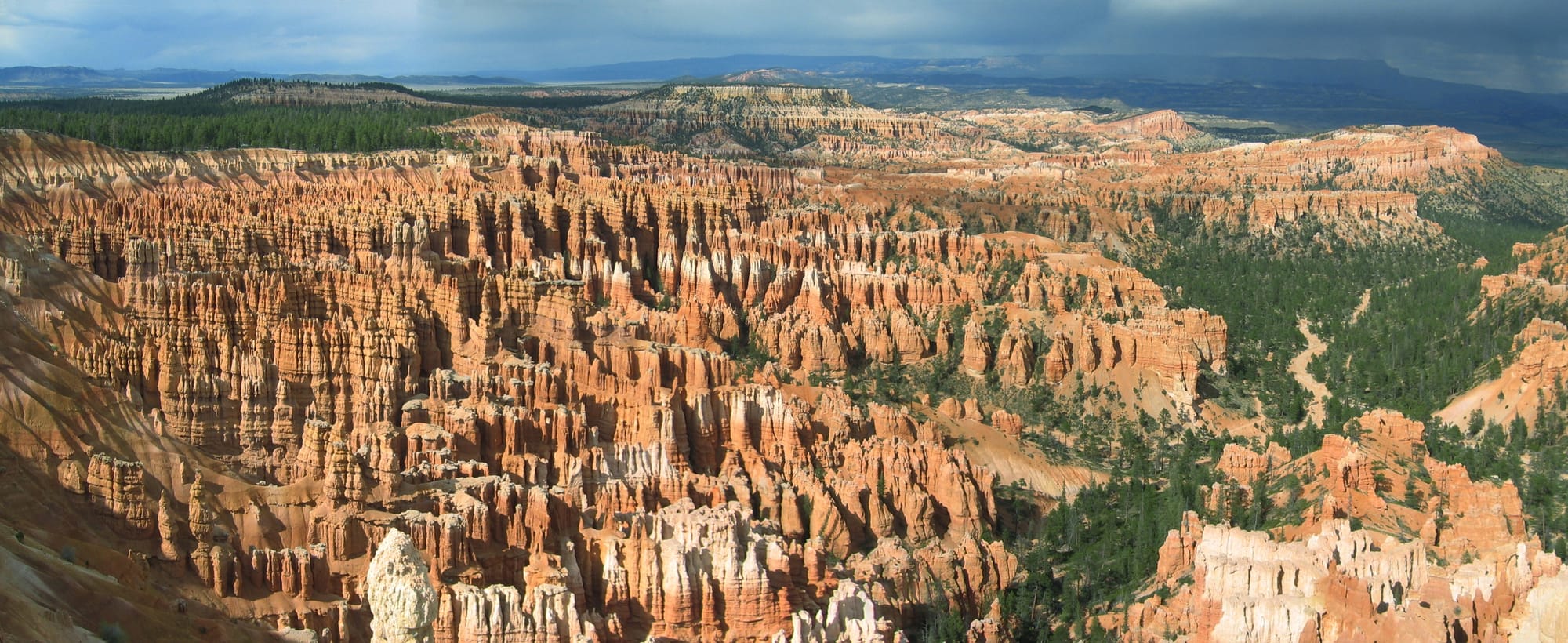
Canyoning in the Alps is the combination sport nobody sees on mainstream outdoor media. It's descending through steep canyons on foot, by rappel, or by jumping into pools. It combines technical rope work, water swimming, and sometimes genuine climbing. Done right, it's a full-body adventure through landscapes most hikers never see. Done wrong, it's dangerous as hell.
I've canyoned in the Swiss, French, and Italian Alps. The progression from beginner to advanced is well-structured, though not well-advertised. Here's what canyoning is, what it takes, and how to do it.
What Canyoning Is
Canyoning (also called canyoneering in North America) means descending through a canyon by whatever combination of movement methods the canyon requires. You walk. You scramble. You rappel cliffs. You swim pools. You jump waterfalls. The canyon dictates what you do.
Alpine canyons are typically 1-10 km long. The descent can take 1 hour to 8+ hours. You finish where the canyon meets the main valley - rarely where you started. This means shuttle logistics or long walks back to your car.
Canyons are rated similarly to climbing. Grades go from 1 (easy scrambling through shallow streams) to 7 (serious multi-day expeditions through remote canyons).
Canyon ratings (simplified)
- Grade 1-2: beginner, easy terrain, shallow water
- Grade 3: moderate, some rappels, warm water
- Grade 4: sustained, long rappels, cold water
- Grade 5: expert, complex technical, sustained cold
- Grade 6-7: serious, remote, expedition-level
Required Skills and Experience
Rope skills: critical. You need competent rope handling, abseiling (rappelling), and rope management. Learn from a canyoning course or experienced canyoner before self-leading.
Swimming: you'll be in water. Comfortable swimming in currents and waves. Not competitive swimming - just able to handle varied water conditions.
Cliff jumping: most canyons include jumps of 2-15m into pools. Practice in a safe environment first. Know how to check pool depth and landing area.
Wilderness navigation: canyoning happens in remote terrain. Map, compass, and GPS skills matter.
First aid: injuries happen in canyons. Basic wilderness first aid at minimum.
Gear Specific to Canyoning
Canyoning wetsuit: 5-7mm, with reinforced knees and seat. Different from surfing wetsuits - designed for abrasion resistance. Price: $400-800.
Helmet: climbing helmet. Hard impacts possible from rocks overhead and from jumping.
Harness: climbing harness or canyoning-specific harness. Must be comfortable for multiple rappels with pack.
Descender: traditional figure-8 works. Modern canyoners prefer Piranha or similar - lets you handle wet ropes better.
Ropes: static ropes, typically 60m x 9-10mm. 2 ropes for most canyons. Dry-treated to resist water absorption.
Shoes: specific canyoning shoes (Five Ten Canyoneer, Camp Dragonfly) with sticky rubber that works wet. Don't use regular hiking boots or running shoes.
Bag: waterproof canyoning bag. Drybag-style with padded back. 25-40L capacity.
Starter canyoning kit
- Canyoning wetsuit - $600
- Helmet - $80
- Harness - $100
- Descender - $80
- Ropes (2x 60m) - $300
- Shoes - $150
- Canyoning bag - $200
- Total: ~$1,500
Swiss Alps Canyoning Destinations
Ticino, Switzerland: excellent starter canyons. Shorter routes, warm water in summer, easy logistics. Grimsel Pass canyons are popular.
Bernese Oberland: harder, more sustained canyons. Grindelwald and Interlaken area. Technical rope work required.
Valais: high-altitude, cold water canyons. Longer approach and exit walks.
French Alps Canyoning
Vercors: classic French canyons, well-documented. Grotte des Eaux, Canyon des Ecouges, and Furon canyon. Good progression routes.
Haute-Savoie: canyons near Chamonix area. High alpine, cold water, serious grade 4-5 routes.
Queyras: remote canyons, fewer guided trips, better for experienced canyoners.
Italian Alps Canyoning
Dolomites: scenic canyons, often combined with via ferrata. Less classic canyoning than other Alps regions but beautiful terrain.
Trentino: known for warm-water summer canyons. Good progression from beginner to intermediate.
Abruzzo: south of the main Alps, warm water, year-round canyoning options.
Guided vs Self-Led
First 10-20 canyons: go with a guide. Learn the techniques, local routes, and safety protocols. Cost: 100-200 euros per day per person for group canyoning.
Self-led progression: after you understand the sport, you can lead your own parties on canyons you research and understand.
Self-led requires: thorough research of each canyon, checking current conditions (rainfall, water levels), knowing where rappel anchors are and their condition, and always having a backup plan.
Don't self-lead in unknown terrain. Mistakes in unfamiliar canyons can be fatal. Stick to documented routes for self-led trips.
Water and Weather Considerations
Water flow: heavy rain 24-48 hours before your trip can make canyons unsafe. Check recent weather and river gauges.
Flash flood risk: some canyons have fast-rising water from upstream storms. Check weather forecast along the entire watershed, not just where you're canyoning.
Temperature: water temperature varies by canyon and season. Cold water (8-12°C) requires full wetsuit, gloves, and careful hypothermia management. Warm water (15-18°C) is more forgiving.
Exit routes: know how to get out early if conditions change. Don't commit to a canyon section without understanding bail-out options.
Safety Protocols
Always rappel with backup: prusik cord or belay device backup. A single descender malfunction shouldn't be fatal.
Check anchors before trusting them: visual inspection, touch test. Don't assume anchors left by previous parties are sound.
Stay together: canyoning parties should not split up. The canyon moves in one direction. If someone falls behind, wait.
Carry rescue gear: knife, extra rope, first aid kit, emergency blanket, PLB or sat phone for remote canyons.
Pool Jumping Safety
Check pool depth before any jump. Use a weighted rope to feel bottom if unsure. 3m minimum depth for small jumps (2-4m). 5m+ for bigger jumps.
Landing area: ensure clear of rocks and debris. Even shallow rocks cause serious injury from 5m jumps.
Jump technique: straight down, feet first, arms crossed over chest. Don't try acrobatic jumps unless you're experienced.
After each jump: swim clear of the landing zone immediately. Someone else is coming behind you.
Progression Path
Year 1: 5-10 grade 1-2 canyons with a guide. Learn techniques and local geography.
Year 2: Start leading parties on familiar grade 2 canyons. Attempt grade 3 with more experienced partners.
Year 3+: Grade 4 canyons, multi-day trips, remote canyons with good research and partner support.
Expert level: grade 5-7 canyons require years of experience, exceptional fitness, and detailed planning. Not for weekend canyoners.
Community and Culture
Canyoning has small regional communities. Join local clubs (Alpine Club in Switzerland, CAF in France, CAI in Italy). Members share canyon beta, organize group trips, and offer mentorship.
Online resources: Descent Online, Canyoning.at, local canyon databases. Research before every trip.
Ethics: leave no trace. Remove rappel anchors carefully. Don't create new anchors without reason. Respect private land and any access restrictions.
Canyoning in the Alps offers a different experience than hiking or climbing. You're moving through terrain that feels hidden from normal tourists. You're combining multiple outdoor skills. You're often in water that other people don't enter. The reward is canyons that few people see and the experience of moving through them under your own power with the right gear and training.