Skydiving in 2026: From Tandem Jump to USPA A License and the Gear Rules
A tandem jump is only the start. Here is the real progression from AFF or static-line training to a USPA A license, plus the FAA packing and AAD rules that matter.
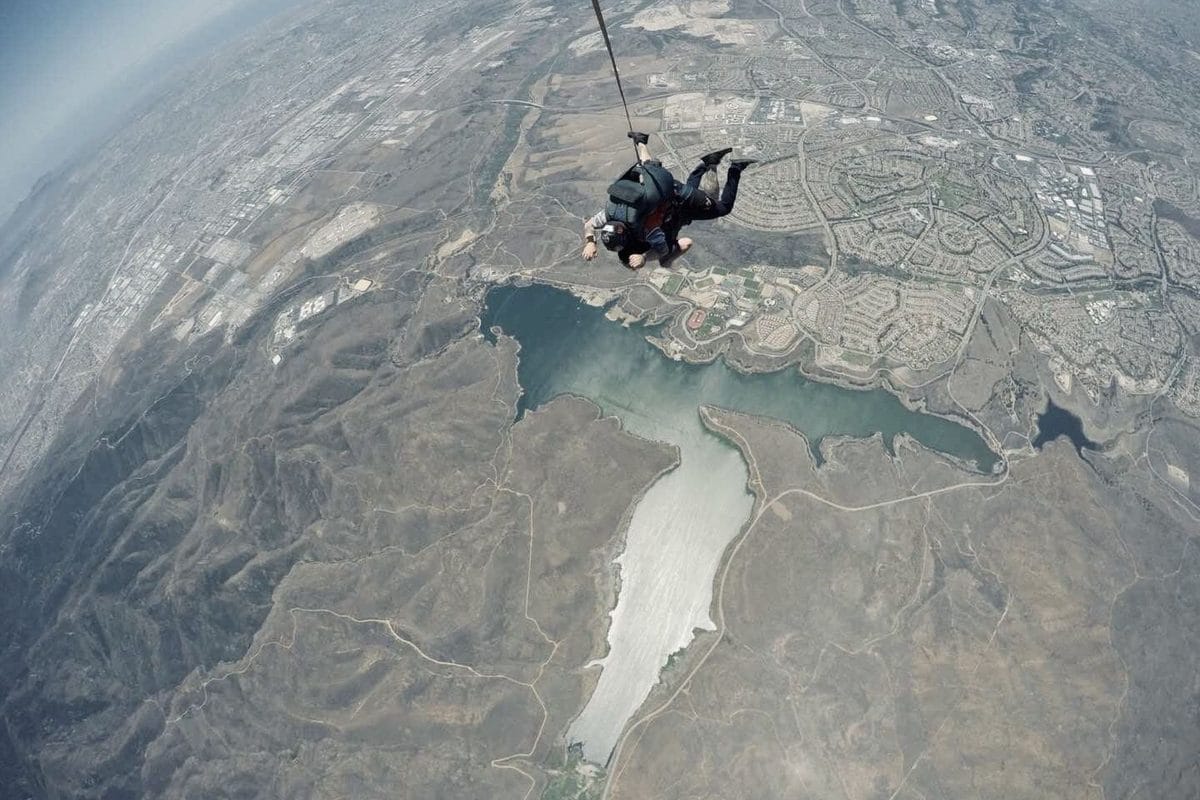
Most people who jump out of a plane for the first time do it on a tandem harness, strapped to an instructor who handles the pull, the landing and most of the decisions. The jump lasts about as long as the freefall, and then it is over. If you want to keep going after that first exit, the path is longer and more structured than the brochure suggests, and in autumn the conditions you will fly in change enough to matter.
Tandem first, then the real progression
A tandem jump is the entry point for almost everyone, and it is a legitimate skydive, not a ride. The passenger is hooked to a certified instructor, and the instructor controls the canopy. What you learn on a tandem is how the exit feels, how a body position holds in freefall, and whether you actually enjoy the sensation. Plenty of people finish a tandem and realize it was the single best day of the year. Others find the adrenaline fades quickly. Both outcomes are useful information before you spend more money.
Once you want to fly your own canopy, the usual next step is an Accelerated Freefall (AFF) course. Students jump with two instructors who hold onto them during the early freefall and cue them through a sequence of skills, and they steadily reduce the help until the student is solo. A static-line course is the alternative. It is cheaper per jump, but the canopy opens automatically on a line attached to the aircraft, so you learn less about freefall itself. Neither route is wrong. The difference is what you want to be good at first.
What the A license actually requires
In the United States, the USPA A license is the baseline that says you can jump without supervision. The requirements are published on the USPA website and reflect the Skydiver's Information Manual, so they are worth reading before you start. You need a current USPA membership, 25 jumps, and completion of the A-License Progression Card or the Military Transition Proficiency Card. Tandem jumps, military freefall and static-line jumps count toward the 25, but only if the documentation is verified.
Then come three tests. A practical "Check Dive" is flown with an examiner. The written exam requires a 75 percent pass mark, and the oral exam requires 100 percent. The oral is the one people underestimate. It covers emergency procedures and equipment in detail, and a wrong answer on a reserve deployment is not a point you can afford to be vague about.
An A license lets you jump without supervision, pack your own main parachute, take part in formation skydives and train for water landings. It does not make you an expert. The real learning starts after the license, when the jump count keeps growing and the conditions stop being predictable.
Gear rules that the FAA actually sets
Men who skydive tend to talk about canopies and wingsuits and skip the paperwork. The paperwork is where a lot of the safety sits. Under Federal Aviation Regulations, Part 105 governs parachute operations, and two sections matter most for an individual jumper.
Under 14 CFR 105.43, a main parachute must have been packed within 180 days before use by a certificated parachute rigger, by the jumper making the next jump, or by someone under a rigger's direct supervision. The reserve has a tighter window if it contains any natural fiber: 60 days, rather than 180 days for fully synthetic canopies, shroud and harness. If your reserve was packed last spring and you have not checked the date, check it before the next load.
Tandem systems have stricter requirements. Under 14 CFR 105.45, a tandem system must carry an operational automatic activation device (AAD) on its reserve, and the reserve must meet Technical Standard Order C23 specifications. The FAA's own Advisory Circular 105-2E adds a point many jumpers miss: the FAA has not established minimum operational performance standards or a TSO for AADs. For that reason the AC recommends reviewing manufacturer reports, the PIA TS-120 design and testing format, and independent third-party reports before choosing a device.
The same advisory circular also says that an AAD is strictly a backup. The reserve should be pulled manually, before the device's activation altitude is reached, because body position and other factors can delay the device's activation. That is the opinion I would hold onto if you buy one: an AAD is a second line of defense, not a plan.
Why the autumn season changes the checklist
Autumn is when the most common mistakes in recreational skydiving start to show up. The sky is often clear in the morning and gusty by the afternoon, and the AC specifically warns that strong or gusty winds can be dangerous, especially to student jumpers. A student who is comfortable at 9:00 may be in a different situation at 15:00, and the drop zone will usually make the call for you. Accept it without argument.
Temperature matters too. The air at altitude is noticeably colder than on the ground, and a jumper in shorts and a light jacket on a crisp October morning can feel the difference on the way up. Layers under the jumpsuit, gloves that still let you feel the handles, and a hat that stays put in freefall are not luxuries. Shorter days also mean the last load of the day comes earlier than it did in summer, so plan your jump count around the light rather than around your own schedule.
The AC's pre-jump guidance has a seasonal angle as well. AAD settings are sensitive to conditions and to the difference between the landing area's elevation and the departure airfield. If the drop zone is jumping from a different field than the one you usually use, ask whether the AAD settings have been checked for that altitude.
The honest trade-off
Skydiving is not a sport that rewards bravado. It rewards the boring habits: a serviceability check before every jump, a conversation with the instructor about the day's wind, and a willingness to skip a jump when the conditions do not suit you. The A license is a milestone, not a finish line. Treat it as permission to learn more, and to keep the reserve pull in your head as the default action when something looks wrong.